For many businesses, influencer marketing still appears deceptively simple from the outside. Brands identify creators, negotiate partnerships, launch campaigns, and track engagement metrics in hopes of generating visibility and sales. During the early years of social media growth, this relatively straightforward approach often produced impressive results because audiences were less saturated with branded content and consumer trust toward creators remained extremely high. However, digital ecosystems evolved rapidly. Audiences became more selective, platforms became fragmented, and customer acquisition costs increased dramatically. As a result, many companies realized that creator partnerships alone were no longer enough to produce sustainable growth. This shift is one reason businesses increasingly invest in goat agency services when they begin understanding that modern creator marketing depends heavily on strategic infrastructure operating far beyond influencer coordination itself.
Today, successful creator campaigns are no longer isolated promotional activities. They exist within highly integrated systems involving audience psychology, retention architecture, emotional consistency, cross-platform coordination, community development, and long-term brand positioning. This broader evolution explains why discussions such as “Goat Agency in 2026: What Modern Influencer Marketing Actually Looks Like” continue gaining importance among companies trying to understand how creator marketing transformed from visibility-based promotion into psychologically driven ecosystem strategy.
At the same time, many brands are becoming increasingly frustrated with transactional influencer systems built around repetitive sponsorship structures, short-term engagement spikes, and generic creator integrations. Businesses searching for more durable customer relationships often discover that the real competitive advantage exists beneath the surface-level campaign execution itself. This is one reason articles like “Why Goat Agency Services Work Better for Brands Tired of Generic Influencer Content” continue resonating among companies trying to move beyond interchangeable creator campaigns and toward emotionally sustainable growth systems.
By 2026, the most valuable aspect of creator marketing is often not the influencer relationship itself but the strategic layer supporting it. Goat agency services frequently become relevant because they address operational alignment, emotional continuity, customer retention, psychological positioning, audience segmentation, and ecosystem-level communication simultaneously. These deeper strategic systems are often the difference between temporary attention and long-term customer loyalty.
Why Most Brands Misunderstand Influencer Marketing
Many businesses still approach influencer marketing primarily as a visibility channel.
The logic appears straightforward. Partner with creators who already have audience attention, generate exposure quickly, and drive traffic toward products or services. While this approach may still produce short-term engagement, it increasingly fails to create durable growth on its own.
The reason is simple.
Modern consumers no longer respond predictably to visibility alone. Audiences are overwhelmed with creator promotions, affiliate recommendations, sponsored integrations, and repetitive social campaigns across nearly every digital environment they use daily.
This saturation changed customer psychology dramatically.
Several important shifts emerged:
- Consumers became more skeptical of sponsorships
- Emotional trust became harder to establish
- Repetitive creator structures lost effectiveness
- Attention spans became fragmented
- Long-term familiarity became more valuable than temporary reach
Many brands still focus heavily on the visible layer of influencer marketing while ignoring the strategic systems required to sustain audience trust over time.
Goat agency services often operate primarily within this deeper strategic layer rather than functioning solely as creator management systems.
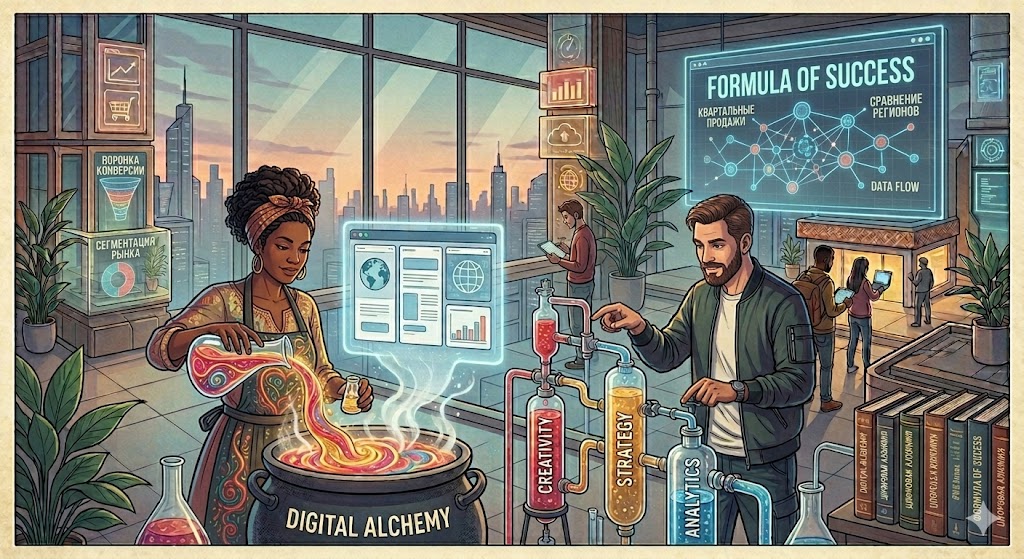
Why Strategy Became More Important Than Exposure
During earlier stages of social platform growth, exposure alone often produced strong performance because competition was lower and audiences had not yet developed strong resistance toward advertising.
That environment no longer exists.
Today, consumers encounter thousands of commercial messages daily across creator content, paid advertising, social feeds, search engines, streaming platforms, email campaigns, and online communities.
This saturation means visibility has become easier to buy but significantly harder to convert into loyalty.
Goat agency services frequently emphasize long-term strategic positioning because sustainable growth now depends heavily on emotional consistency and ecosystem coordination rather than isolated traffic spikes alone.
The deeper strategic layer may involve:
- Audience psychology
- Brand positioning
- Retention systems
- Emotional continuity
- Cross-platform integration
These systems determine whether creator campaigns strengthen long-term customer relationships or simply generate temporary attention that disappears quickly after campaigns end.
Brands increasingly realize that without strategic infrastructure, influencer marketing often becomes expensive short-term exposure rather than sustainable business growth.
Why Emotional Consistency Shapes Customer Trust
Consumers evaluate brands emotionally long before they evaluate them rationally.
A customer encountering creator content today may later revisit the same brand through paid advertisements, search results, retention emails, community interactions, or product reviews over extended periods before making purchasing decisions.
If those experiences feel emotionally inconsistent, trust weakens gradually.
Goat agency services often prioritize emotional continuity because familiarity and psychological comfort strongly influence long-term conversion behavior.
Emotional consistency may involve aligning:
- Creator storytelling
- Brand voice
- Visual identity
- Community communication
- Retention messaging
Customers become more comfortable engaging with brands that feel stable, recognizable, and emotionally coherent over time.
This psychological familiarity reduces uncertainty during purchasing decisions while increasing retention quality significantly.
Many brands underestimate how fragmented communication weakens overall customer trust even when individual campaigns appear successful independently.
Why Audience Psychology Became Central to Strategy
Modern creator marketing increasingly depends on behavioral understanding.
Consumers do not engage with content purely based on product quality or advertising frequency. Emotional triggers, identity alignment, psychological safety, social belonging, and familiarity all shape audience behavior significantly.
Goat agency services frequently integrate audience psychology into broader campaign architecture rather than focusing solely on surface-level performance metrics.
Psychological strategy may involve understanding:
- Why audiences trust certain creators
- Which narratives create emotional familiarity
- How identity influences purchasing behavior
- Which emotional themes improve retention
- How community dynamics strengthen loyalty
This strategic depth became increasingly important because oversaturated digital ecosystems reward emotional relevance far more than generic promotional intensity.
Brands capable of understanding customer psychology often maintain stronger long-term relationships than businesses optimizing only for impressions or short-term engagement spikes.
Why Retention Became the Hidden Driver of Profitability
One of the biggest strategic shifts in modern marketing involves the growing importance of retention.
Earlier digital growth models relied heavily on acquisition because advertising costs remained relatively manageable. Businesses focused aggressively on driving traffic and converting first-time buyers while paying less attention to long-term customer engagement.
As acquisition costs increased, however, many companies discovered that constant customer replacement created unstable economics.
Goat agency services frequently integrate retention strategy directly into creator ecosystems because repeat customers often generate the majority of long-term profitability.
Retention-oriented systems may support:
- Ongoing emotional engagement
- Community participation
- Educational customer journeys
- Creator continuity after purchase
- Loyalty reinforcement
These systems transform creator marketing from a temporary acquisition tool into a long-term relationship infrastructure capable of maintaining audience attention over extended periods.
Why Cross-Platform Coordination Matters More Than Ever
Modern customer journeys are fragmented across multiple digital environments.
Consumers move constantly between social platforms, creator communities, paid advertisements, email systems, search engines, streaming environments, and private group conversations before making decisions.
This complexity made isolated creator campaigns increasingly ineffective.
Goat agency services often emphasize ecosystem-level coordination because emotionally disconnected touchpoints weaken familiarity and trust gradually over time.
Cross-platform coordination may involve aligning:
- Narrative structures
- Emotional positioning
- Audience segmentation
- Creative systems
- Community engagement
When these systems operate cohesively, customers experience continuity rather than fragmentation.
This continuity strengthens emotional memory while increasing the likelihood of repeat engagement and long-term loyalty.
Why Community Building Outperforms Broad Visibility
One of the most overlooked strategic layers in creator marketing involves community psychology.
Human behavior is deeply social. Consumers seek belonging, identity reinforcement, emotional validation, and shared experiences within the brands they engage with.
Goat agency services frequently prioritize community-building systems because emotionally connected communities create stronger retention and customer loyalty than broad but disconnected audiences.
Community systems may involve:
- Shared audience identity
- Creator interaction ecosystems
- User-generated participation
- Emotional inclusivity
- Long-term engagement structures
Communities sustain customer attention because audiences feel psychologically connected rather than merely exposed to promotional messaging.
In crowded digital ecosystems, emotionally engaged communities often outperform mass visibility campaigns significantly over time.
Why Creator Selection Is Only One Small Part of the System
Many brands still treat creator selection as the central strategic decision in influencer marketing.
While creator alignment certainly matters, successful campaigns increasingly depend on the infrastructure surrounding those partnerships.
Goat agency services often focus heavily on the systems supporting creator relationships rather than the partnerships alone.
This strategic infrastructure may include:
- Audience segmentation
- Emotional positioning
- Retention architecture
- Narrative sequencing
- Platform-specific adaptation
Without these supporting systems, even highly visible creator partnerships often fail to produce sustainable customer relationships.
Brands increasingly realize that creators function most effectively when integrated into larger emotionally coherent ecosystems rather than isolated sponsorship arrangements.
Why Narrative Systems Matter More Than Promotional Messaging
Consumers naturally remember stories more effectively than isolated advertising information.
Narratives create emotional sequencing, contextual meaning, and psychological immersion that strengthen memory retention significantly.
Goat agency services often build creator ecosystems around long-term narrative continuity instead of repetitive promotional campaigns.
Narrative systems may involve:
- Lifestyle storytelling
- Emotional transformation journeys
- Creator-led experiences
- Community-driven participation
- Long-term audience progression
These structures maintain customer engagement because audiences feel emotionally involved rather than constantly sold to.
Narrative continuity also reduces promotional fatigue because communication evolves naturally over time instead of repeating identical sales-driven messaging structures.
Why Adaptability Became a Strategic Necessity
Digital ecosystems evolve constantly.
Platform algorithms change frequently. Audience preferences shift rapidly. Cultural behavior moves unpredictably. Content formats saturate quickly.
Rigid creator systems struggle adapting effectively to these conditions.
Goat agency services often emphasize adaptable operational frameworks capable of evolving while preserving emotional consistency simultaneously.
Adaptability may involve:
- Continuous creative testing
- Audience behavior analysis
- Dynamic narrative refinement
- Platform-specific optimization
- Ongoing community feedback integration
Brands relying heavily on static campaign formulas often experience declining engagement because audiences become emotionally desensitized quickly.
Strategic adaptability became one of the most important competitive advantages within modern creator marketing ecosystems.
Why Brand Equity Returned to Strategic Importance
Performance marketing once pushed many businesses toward short-term optimization cycles focused heavily on immediate conversion efficiency.
Over time, however, companies realized that weak emotional familiarity creates instability because customers remain psychologically replaceable.
Goat agency services frequently support long-term brand equity because emotionally recognizable brands maintain stronger retention, loyalty, and conversion efficiency over time.
Brand equity influences:
- Customer trust
- Emotional familiarity
- Community resilience
- Referral behavior
- Pricing flexibility
Unlike temporary engagement spikes, brand equity compounds gradually through repeated emotionally positive experiences.
Modern creator ecosystems therefore increasingly prioritize relationship quality over short-term visibility alone.
Why Data Matters Beyond Surface Metrics
Many businesses still evaluate creator marketing primarily through impressions, likes, and engagement percentages.
While these metrics provide operational context, they rarely reveal deeper strategic insight independently.
Goat agency services often integrate advanced analytical frameworks designed to evaluate long-term business outcomes rather than surface-level activity alone.
Important analytical areas may include:
- Retention-adjusted customer value
- Audience trust dynamics
- Emotional engagement quality
- Cross-platform familiarity patterns
- Community participation behavior
These insights help brands optimize toward sustainable customer relationships rather than temporary campaign performance.
Data became increasingly important because modern digital ecosystems reward precision far more than broad exposure volume.
Why Modern Marketing Became Relationship Infrastructure
Ultimately, many brands begin reconsidering their entire approach to creator marketing after realizing that influencer campaigns alone are not the core competitive advantage anymore.
The deeper value increasingly comes from the strategic systems supporting those campaigns.
Goat agency services often function less like traditional influencer coordination and more like relationship infrastructure capable of maintaining emotional continuity, customer familiarity, retention quality, and long-term audience trust simultaneously.
Modern marketing increasingly depends on:
- Psychological familiarity
- Emotional consistency
- Community engagement
- Retention architecture
- Cross-platform cohesion
Brands still focused only on creator visibility often struggle maintaining sustainable growth because audiences now expect deeper emotional relevance and strategic consistency across every interaction.
The future of creator marketing will likely belong to businesses capable of building emotionally integrated ecosystems rather than isolated promotional campaigns. As digital competition intensifies and consumer attention becomes increasingly fragmented, the hidden strategy layer behind creator marketing will continue becoming more valuable than the influencer partnerships themselves.