A brightening serum is a concentrated skincare product designed to target dull skin and uneven pigmentation. Unlike heavier moisturizers, serums deliver a high concentration of active ingredients directly to the skin, helping to brighten the complexion over time learn more.
How It Works
Brightening serum works by addressing the causes of dullness: excess melanin production, oxidative stress, and moisture loss. Active ingredients can inhibit melanin formation, boost collagen, and protect skin from environmental damage, leading to a more radiant and even tone.
A brightening serum is a lightweight, fast-absorbing product designed to even skin tone and reduce the appearance of dark spots. It typically uses targeted actives to deliver noticeable brightness without heaviness.
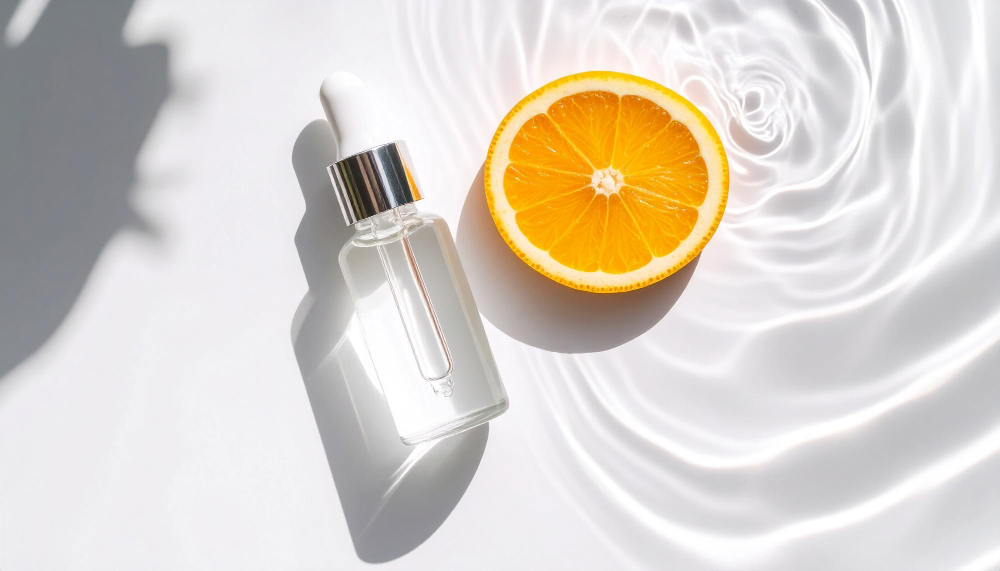
Key Ingredients to Look For
Vitamin C
Ascorbic acid or stabilised vitamin C helps brighten by reducing pigment formation and supporting collagen synthesis, improving skin radiance and firmness.
Niacinamide
This form of vitamin B3 strengthens the skin barrier and helps even out skin tone while supporting moisture retention.
Alpha Arbutin or Licorice Extract
These ingredients inhibit tyrosinase, an enzyme linked to pigment production, contributing to more uniform color over time.
Other Supportive Actives
Hyaluronic acid provides hydration for a plump appearance, while antioxidants like ferulic acid or vitamin E help protect against environmental stressors that cause dullness.
How to Use a Brightening Serum
Apply a few drops to clean, dry skin after cleansing and toning. Use sunscreen daily, especially when using actives that affect pigment. Start with small amounts and gradually increase frequency to monitor tolerance. If irritation occurs, reduce frequency or concentrations.
Choosing and Storing Your Serum
Choose formulas suitable for your skin type: water-based serums for oily skin, oil or silicone-based for dry skin. Look for stable forms and appropriate concentrations. Store away from light and heat to maintain potency.
Safety and Tips
Patch test new serums on a small area for 24-48 hours. If you have sensitive or reactive skin, consult a dermatologist before starting new actives, particularly high-strength vitamin C or hydroquinone alternatives.
It delivers active ingredients quickly to the deeper layers, helping fade discoloration and brighten the complexion. When selecting a brightening serum, check for stable vitamin C derivatives, licorice extract, niacinamide, and other depigmenting actives.
Key ingredients to look for
Common actives include vitamin C, kojic acid, tranexamic acid, niacinamide, and licorice extract. The best brightening serum uses a stable vitamin C derivative and blends it with supporting antioxidants.
How to apply and layer
Apply a pea-sized amount to clean skin after cleansing. In the morning or evening, follow with sunscreen; a brightening serum should be layered before moisturizer to maximize absorption.
Tips for different skin types
Consistency matters: use it regularly for several weeks to see evenness improve. For sensitive or reactive skin, start with a patch test and a lower concentration of the brightening serum.
Brightening serum is a skincare product designed to improve skin tone, reduce the appearance of dark spots, and impart a more radiant complexion. Unlike moisturizers that mainly hydrate, these serums deliver concentrated active ingredients to target uneven pigmentation, dullness, and post-inflammatory dark marks. When used consistently, they can help create a smoother, more luminous canvas for makeup or natural skin. A well-formulated brightening serum often relies on a combination of potent antioxidants and lightening agents. Vitamin C (ascorbic acid) is a cornerstone for many formulas because it helps brighten by inhibiting melanin production and protecting skin from environmental damage. Niacinamide, or vitamin B3, supports barrier function while reducing redness and discoloration. Other common ingredients include kojic acid, azelaic acid, tranexamic acid, and licorice root extract, each offering different mechanisms to fade spots and even out skin tone. It’s important to note that more isn’t always better: active ingredients should be used in appropriate concentrations and with compatible pH levels to maximize efficacy while minimizing irritation. If you’re new to chemical brighteners, consider starting with one active ingredient and gradually adding another as your skin builds tolerance. Choosing a brightening serum suited to your skin type involves balancing potency with gentleness. For sensitive or reactive skin, formulas with stabilized vitamin C (like 10-15% ascorbic acid or ethyl ascorbic acid variants) and gentle peptides can be a safer entry point. Those with oily or combination skin may appreciate lightweight, fast-absorbing serums containing niacinamide and azelaic acid, which can also help regulate oil production. If you’re dealing with stubborn dark spots, products that combine multiple actives known to target pigmentation—such as vitamin C, niacinamide, and kojic acid—can be effective, but patch testing is essential to monitor for irritation. Always read the ingredient list for fragrance or potential irritants if you have sensitive skin, and consider products that come in opaque, airtight packaging to preserve the stability of vitamin C. How you use a brightening serum matters as much as what’s inside the bottle. Start with a clean, dry face, then apply a few drops to the face and neck, avoiding the eye area. If you’re using more than one active product, layer from thinnest to thickest: a water-based serum first, followed by thicker formulas and moisturizers. Many brightening serums are intended for daytime use because they can enhance skin’s receptivity to sunlight; if your product is not labeled as suitable for daytime use, pair it with a broad-spectrum sunscreen of at least SPF 30. Consistency is key: nightly use or a few times per week, depending on tolerance, often yields the best long-term results. If you experience tingling, redness, or excessive dryness, ease back the frequency or switch to a milder formulation. In addition to selecting the right product, positioning brightening serums within a broader skincare routine can help maximize benefits. Cleanse gently and exfoliate as needed to remove dead skin cells that can hinder absorption, but avoid over-exfoliating, which can irritate the skin and counteract brightening goals. Follow with a moisturizer to lock in hydration, and always protect your skin with sunscreen during the day. If you’re combining a brightening serum with retinoids, give your skin time to adjust, using the serum on alternate nights or applying it earlier in the evening to reduce potential irritation. A steady, patient approach typically yields more even results than aggressive, rapid fading of spots. Potential results vary by individual skin type, severity of pigmentation, and product formulation. Some people notice a more even complexion and a subtle glow within a few weeks, while others may take several months to see significant fading of dark spots. Consistency, patch testing, and sun protection are the foundations of success with brightening serums. If you ever have concerns about irritation or how a product interacts with other skincare, consult a dermatologist or skincare professional for personalized guidance. Keywords: – brightening serum – vitamin C – niacinamide – kojic acid – sunscreen
brightening serum
What is a brightening serum?
A brightening serum is a lightweight skincare product designed to target dull skin and uneven tone. It typically contains potent actives that help reduce the appearance of dark spots and promote a more radiant complexion.
How it works
A brightening serum often relies on potent actives like stabilised vitamin C, niacinamide, arbutin, and licorice extract to help reduce melanin production and even out skin tone.
Common ingredients
Vitamin C, often in the form of L-ascorbic acid, brightens the skin and supports collagen production. Niacinamide helps strengthen the skin barrier and reduce redness. Alpha arbutin and kojic acid are popular options for lightening dark spots. Licorice root extract provides anti-inflammatory benefits and can help even tone.
Safety and considerations
Patch testing is wise, especially for sensitive skin. If you are pregnant, nursing, or taking medications that affect pigmentation, consult a dermatologist before using brightening products. Start with a lower concentration and monitor for irritation, then adjust usage accordingly.
How to use
After cleansing, apply a brightening serum to dry skin and pat in gently before layering moisturizer.
Choosing the right product
Read the labels and choose a brightening serum with stable vitamin C, proven delivery, and gentle ingredients suited to your skin type.
Sun protection and long-term care
Daily sunscreen is essential when using any brightening regimen, as UV exposure can undo progress. Pair the serum with broad-spectrum sunscreen SPF 30 or higher and reapply as needed.
Conclusion
With consistent use and daily sunscreen, a brightening serum can brighten complexion and support an even tone.